New vs. used equipment financing: what to know
New vs. used equipment financing: how price, working life, repairs and downtime should shape which machine you buy and how you finance it.
You can finance both new and used equipment. New equipment costs more but comes with a warranty, the latest features and a long working life. Used equipment costs less up front, which means a smaller amount to finance, but you take on more risk of repairs and downtime. The right choice depends on how hard you will run the machine and how much downtime your business can handle.
What changes when you finance used equipment
Funders look at the equipment as well as your business. With used equipment, they care about its age, condition, hours or mileage, and how much useful life it has left. A well-kept machine from a known brand is easy to finance. A very old machine with heavy hours, or something that is hard to value, can narrow your options.
The structure can also differ. Terms on used equipment are often shorter than on new, because the machine has fewer working years left. The exact term, payment schedule and any down payment depend on the equipment and the funding partner. A specialist sets the structure with you.
The case for new equipment
- Warranty. Repairs in the first years are often covered, which makes costs predictable.
- Reliability. Less downtime. For a business that loses money every hour a machine is down, this matters a lot.
- Longer working life. You get the full life of the machine, which supports a longer financing term and a smaller payment.
- Current features. Better fuel economy, emissions equipment, safety features and technology.
New makes sense for equipment you will run hard every day, where a breakdown would stop the whole operation.
The case for used equipment
- Lower price. You finance a smaller amount, so the total you repay is lower.
- Slower loss in value. Most of a machine’s drop in value happens in the first years. A used buyer skips that.
- Proven models. You can pick a model with a known track record.
- Quick availability. Used machines are often ready now, while new ones can have a wait.
Used makes sense when the machine will see moderate use, when you have a good mechanic, or when you need to add capacity fast at a lower cost.
How to buy used equipment the smart way
- Get it inspected. Have a mechanic or technician look at it before you commit. Keep the inspection report.
- Check the hours or miles. Compare against what is typical for that model’s working life.
- Ask for service records. A machine with regular maintenance is a much safer buy.
- Get a written quote or bill of sale. Include make, model, year, serial number, hours or miles, and price. Funders need it.
- Budget for repairs. Set aside a reserve for the first year. For bigger repairs, working capital is fast and flexible.
Running the numbers
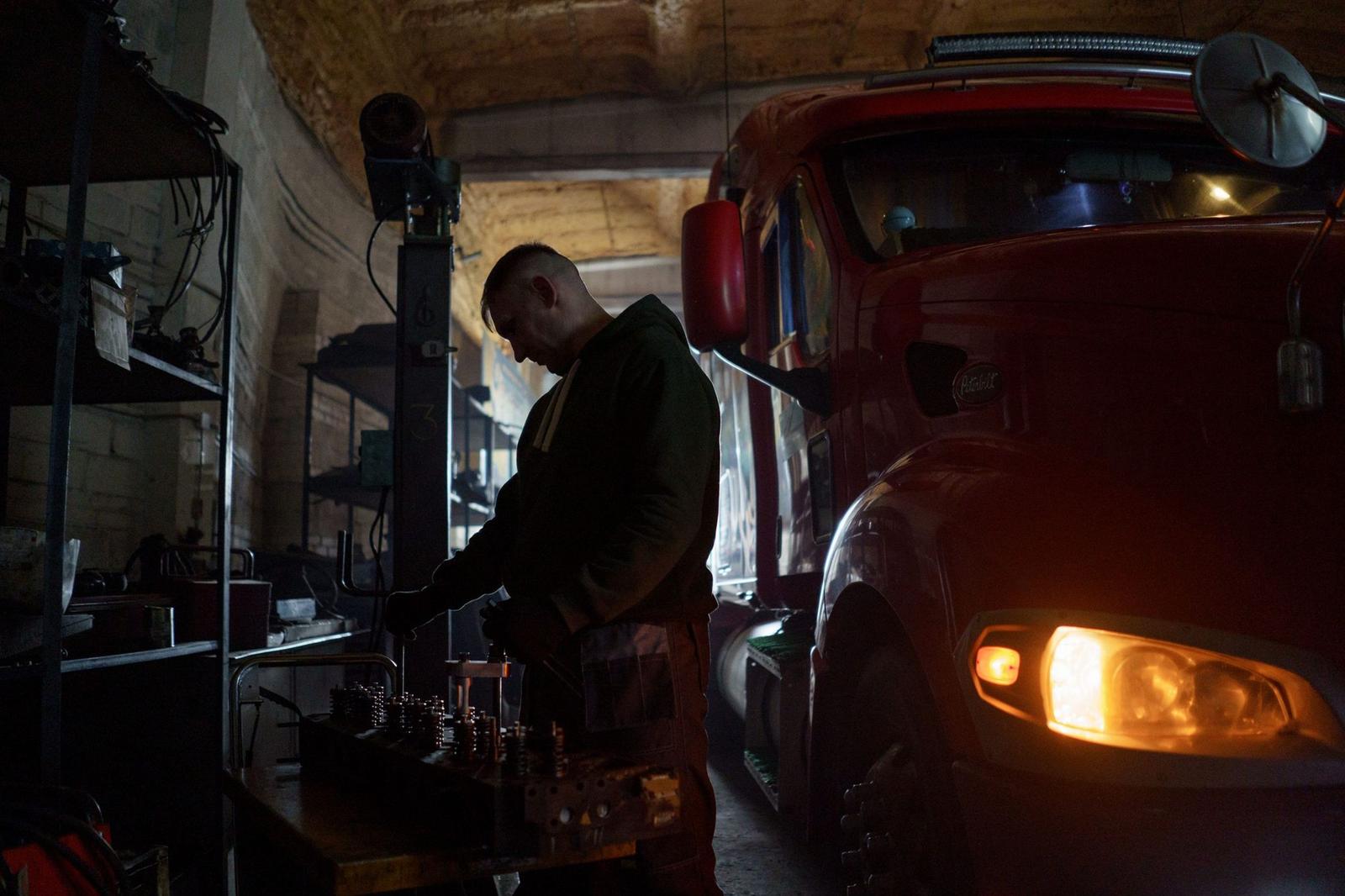
Say a trucking company needs another tractor. A new one comes with a warranty and years of road ahead, but a large price. A used one with reasonable miles costs much less, but the owner expects more shop time. The right answer depends on the routes, how much downtime the company can absorb, and how quickly the truck needs to start earning.
Compare the full picture for both: the total you would repay on each, expected repair costs, fuel, and the revenue you lose for every day the truck is in the shop. The funding calculator helps you see the payment side.
Other ways to fund the purchase
For large equipment, new or used, a term loan of 12 to 48 months gives you a lump sum to buy the machine and spreads the cost over a longer stretch. When the equipment is part of a bigger plan, like growing a fleet, expansion financing covers the whole move.
If you have a machine in mind, applying takes two minutes and gets you a specialist on the phone the same day.
What RFG looks at
Royal Funding Group funds U.S. businesses with 12 or more months in business. We look at the whole business, not only the owner’s credit score. Approvals come in hours, with same-day funding. One application gives you access to multiple options through our network of funding partners, and your specialist helps you compare them.
Buying from a dealer vs. a private seller
Where you buy also matters. Dealers usually provide clean paperwork, a clear title, and sometimes a limited warranty on used machines. That makes financing straightforward. Private sales and auctions can offer lower prices, but the paperwork needs more care. Make sure the seller actually owns the equipment free and clear, get a proper bill of sale with the serial number, and confirm nothing is still owed on it.
Your specialist will tell you what documents the funding partner needs for the purchase you have in mind, so there are no delays when it is time to pay the seller.
Finance the machine that fits your work
New or used, a Royal Funding Group specialist will look at the equipment you have picked out and structure the financing around how you will use it. Have your quote ready, then apply in two minutes or call (929) 506-8133.
